Fowl Cholera
It is the most common disease affecting extensive host range including
chickens, turkeys, pheasants, pigeons, waterfowl, sparrows and other free-flying
birds.
The causative organism of fowl cholera is Pasteurella multocida. The
organism can survive at least one month in droppings, three months in decaying
carcasses and two to three months in soil. Pasteurella apparently enters through
oral and upper respiratory tract. Body excreta of diseased birds that contaminate
soil, water, feed, etc. is the major source of infection.
Symptoms
In the peracute form, symptoms may be absent; in the acute form some birds may
die without showing symptoms, but many others are visibly ill before death.
Characteristic symptoms include stupor, loss of appetite, rapid weight loss,
lameness resulting from joint infection, swollen wattles, difficult breathing, watery
yellowish or green diarrhea and cyanosis or darkening of the head and wattles.
Lesions may be lacking in birds dying during peracute outbreaks. When present,
lesions may resemble those associated with any acute septicemic bacterial
infection, often those of fowl typhoid. Typical lesions may include pinpoint
hemorrhages in the mucous and serous membranes and/or abdominal fat;
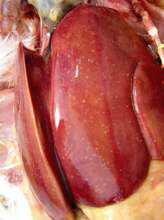
inflammation of the upper third of the small intestine; light, firm "parboiled"
appearance of the liver; enlarged and congested spleen.
Sanitation Practices that aid in preventing the disease are :
Complete depopulation each year with definite breaks between older
birds and their replacements.
Implement a rodent control program.
Dispose of dead birds properly.
Provide safe, sanitary water.
Clean and disinfect all houses and equipment after disposing of flock.
Although drugs usually alter the course of a fowl cholera outbreak,
affected birds remain carriers and the disease has a tendency to recur when
treatment is discontinued. This may necessitate prolonged treatment with
drugs added to the feed and water. Sulfa drugs and broad spectrum antibiotics
(Penicillin) usually control losses.
Liver Lesions: Liver may be swollen and usually contains multiple
small focal areas of necrosis.


